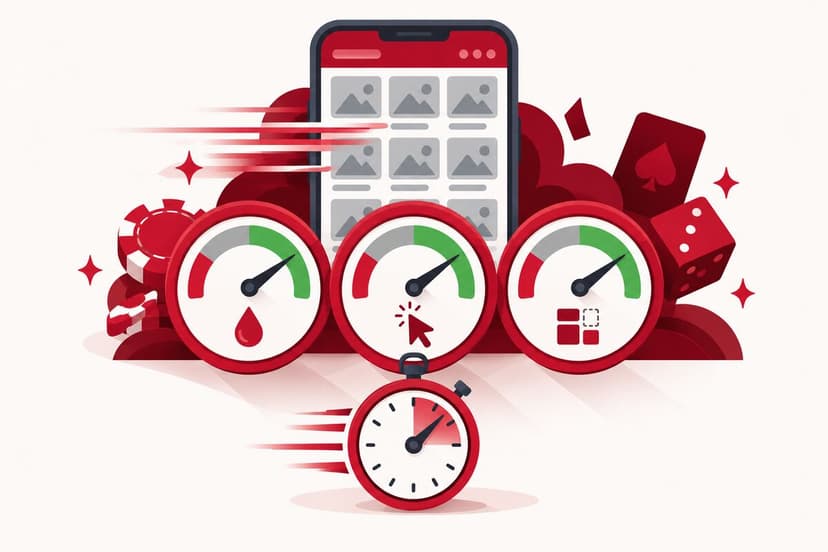
Most people discover your brand on a phone. Not on a laptop or not on a desktop. They scroll fast, tap faster. And if something feels slow or confusing, they leave without a second thought.
That is why mobile-first optimization is no longer optional. In 2026, it directly affects rankings, conversions, and revenue. This blog explains why mobile-first matters, how it works in real situations, and how businesses working with a web development agency Malaysia can build mobile experiences that actually perform.
Why Mobile-First Optimization Matters Today
Mobile-first indexing is being used by Google. It implies that your mobile site is the first one that Google considers in rankings. When your mobile experience is slow, cluttered or pared down, your visibility also reduces despite the presence of a perfect desktop site.
Mobile-first optimization affects SEO, user trust, engagement, and conversion performance simultaneously. This movement is why the creation of modern Ecommerce Web Sites begins with mobile planning and not the desktop design.
Mobile Users Behave Differently Than Desktop Users

Mobile users are usually busy. They want answers fast and actions to be obvious. They are not interested in long paragraphs, complex menus, or hidden buttons. If your site feels heavy or confusing, they leave.
That behavior sends negative signals to search engines over time. Mobile-first optimization is about designing for intent and speed, not shrinking a desktop site to fit a smaller screen.
Speed Is the First Make-or-Break Factor
On mobile, speed decides everything. Large images, unnecessary scripts, animations, and sliders slow pages down. Even small delays can reduce conversions significantly. A reliable web development agency focuses on performance early. Clean code, optimized images, and lightweight layouts make mobile sites feel smooth and trustworthy. Slow sites feel broken, no matter how good they look.
Navigation Must Be Built for Thumbs
Mobile navigation should feel natural. Users become frustrated when menus are not easy to access and links are too small or pages require too many taps to access. The result of that frustration is exits and opportunities lost.
The ease in navigation assists the user to navigate through fast, locate what they are seeking, and act without considering. This is particularly essential when the traffic is generated through ecommerce digital marketing services, in which each click is charged.
Mobile-First Design Directly Affects Ecommerce Revenue
The majority of ecommerce shopping is done on mobile or initiated there. Users will abandon carts fast in case product pages are loading slowly, pictures are blurry, and the process of making checkouts seems complex. Mobile shoppers desire transparency and simplicity. The Ecommerce Website Development Services are also strong since they aim at minimizing frictions at each stage, such as the time of browsing, all the way to the check out, so that even the mobile customers are assured to make purchases.
Content Must Be Designed for Small Screens
Content that works on desktop often fails on mobile. Long blocks of text, dense layouts, and tight spacing reduce readability. Mobile-first content uses short paragraphs, clear headings, and obvious calls to action. When content feels easy to read, users stay longer. That engagement supports both SEO and conversion performance.
Two Core Areas That Define Mobile-First Success
Every effective mobile-first strategy comes down to two essentials:
Technical performance and usability
· Fast load times
· Responsive layouts
· Clean, lightweight code
Conversion-focused experience
· Clear calls to action
· Simple navigation
· Easy forms and checkout
If either area is weak, growth stalls regardless of how much traffic you drive.
How Mobile-First Supports SEO and Marketing Together
Mobile optimization enhances SEO and the marketing outcomes. An improved mobile experience results in increased engagement, reduced bouncing rates, improved rankings, and increased conversions. That is why ecommerce digital marketing services are the most beneficial to use in the instances of mobile-first development. Revenue does not increase because of traffic. Experience does.
Common Mobile-First Mistakes Businesses Make
The majority of companies believe that they are mobile-friendly, whereas this is not true. Enforced mobile desktop layouts, big and bloated graphics, obtrusive popups and tabs that can only be tapped with a finger are injurious to the performance. These problems can be solved within weeks and not months, and the results can be expected.
How to Approach Mobile-First the Right Way

Mobile-first does not begin with redesigning. Design the mobile experience in the first place. Target the most valuable things users do. Remove distractions. and then scale it to larger screens. A powerful web development firm in Malaysia views mobile-first as an approach that defines all other things.
Conclusion
Mobile-first optimization is no longer a trend. It is the foundation of modern digital performance. From rankings to revenue, mobile experience influences every result. Businesses that ignore it lose ground quietly, while those who prioritize it convert better and grow faster.
With the right strategy and guidance from Daiki Media, mobile-first thinking ensures long-term growth, whether you are investing in Ecommerce Website Development Service or scaling through ecommerce digital marketing service.
Which element of your mobile experience is the most frustrating to users right now?
FAQs
1. What does mobile-first optimization mean?
Mobile-first optimization means designing and developing a website for mobile users first, then adapting it for larger screens to ensure better usability, speed, and performance.
2. How does mobile-first affect SEO rankings?
Google ranks websites based on their mobile version. A slow or poorly structured mobile site can lower visibility, even if the desktop version looks good.
3. Is mobile-first important for ecommerce websites?
Yes. Most ecommerce traffic comes from mobile devices. A smooth mobile experience directly improves engagement, trust, and sales conversions.
4. How often should a mobile site be optimized?
Mobile optimization should be reviewed regularly, especially after design updates, content changes, or shifts in user behavior and device trends.